Instant payments and e-money wallets have changed how people send and receive money. Transfers that once took days now arrive in seconds. This convenience brings new habits and new risks, so it helps to understand the basics before you rely on them. This guide is educational and not financial advice.
What e-money actually is
E-money is value stored electronically, such as the balance in a prepaid card or a payment app wallet. It is issued by licensed institutions and can be used for purchases and transfers.
It is not the same as a bank deposit, and the protection rules can differ. Check how your provider holds and safeguards customer funds.
How instant payments work
Instant payment systems connect banks and payment firms so transfers settle within seconds, day or night. The sender confirms details and the money arrives almost immediately.
Because transfers are fast, they are also hard to reverse. Double check the recipient before pressing send.
Compare fees and limits
Some services charge flat fees, others a percentage, and many include hidden exchange margins. Daily limits and withdrawal fees vary.
Read the fee table, not only the headline. Small percentages on large amounts add up quickly.
Choose licensed providers
Look for authorization from a financial regulator in your country. A licence indicates that rules on safeguarding funds and reporting apply.
Consumer protection agencies such as the Consumer Financial Protection Bureau publish guides on payments, disputes and common scams.
Protect your account
Use a strong unique password, turn on two step verification and keep the app updated. Never share one time codes with anyone.
Treat your payment app as seriously as your bank account. Most losses start with tricked users, not hacked systems.
Recognize common scams
Fraudsters pose as relatives, banks or sellers and urge you to pay at once. Pressure and secrecy are warning signs.
If a message feels urgent, stop and call the person or institution using a number you already trust.
Understand crypto assets carefully
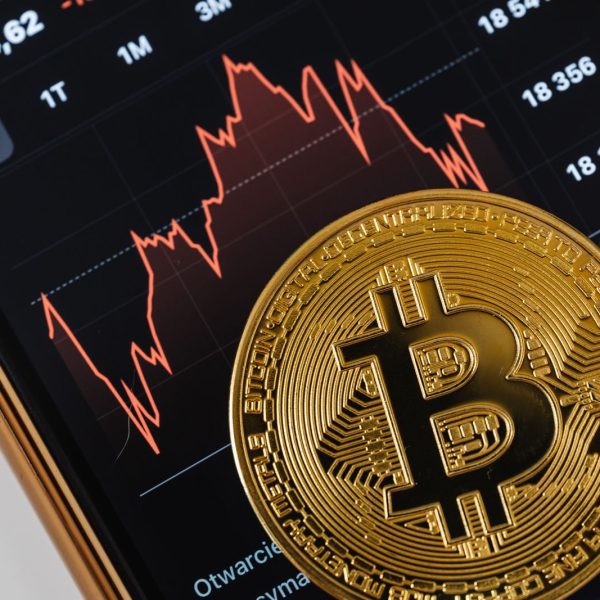
Digital tokens are volatile, and rules differ between countries. Some payment apps offer them, but they are not the same as regulated e-money.
Never put in money you cannot afford to lose, and be skeptical of promises of guaranteed returns.
Cross border transfers
Sending money abroad involves exchange rates, fees and sometimes extra checks. Compare the total amount the recipient will get.
Families who send support to the Philippines often use services that offer pickup, bank deposit and wallet options.
Language and trust
Customers feel safer when terms, receipts and support are available in their own language. Misunderstood conditions cause disputes and complaints.
Financial firms serving these communities often use Tagalog translation services for terms of service, onboarding and customer support content.
Keep records
Save receipts, transaction references and statements. They help with disputes, budgeting and taxes.
When authorities, landlords or banks abroad ask for proof of income or transfers, you will be glad you kept them.
Documents that may need translation
Immigration offices, schools and lenders often request bank records in the local language. Accuracy of figures, dates and names is essential.
Our guide to bank statement translation explains what a proper translation looks like and what officials expect.
Know your rights
If a payment goes wrong, contact the provider first and keep written proof. Many countries have complaint procedures and ombudsman services.
Respond quickly, as time limits apply to many disputes.
Set spending alerts
Notifications for every transaction help you spot mistakes or fraud immediately. Set limits for card payments and withdrawals.
A thirty second review at the end of the day builds good habits.
Businesses and instant payments
Shops and freelancers benefit from fast settlement and lower card costs. Cash flow improves when money arrives the same day.
Choose systems that integrate with accounting software and issue clear receipts.
Think about privacy
Payment data reveals habits and relationships. Review app settings that share transaction feeds or contacts.
Share only what is necessary, and read the privacy notice before accepting new permissions.
Keep a backup plan
Apps can fail and accounts can be frozen for verification. Keep some cash and a second payment method for emergencies.
Having an alternative reduces stress when technology misbehaves.
Teach family members
Older relatives and teenagers are frequent targets for scams. Explain the basics and set shared rules for large transfers.
Short, calm conversations work better than warnings full of fear.
Stay informed
Rules and products change quickly, so check official sources from time to time. Subscribing to a regulator newsletter is a good habit.
Good information is the best defense in a fast moving field.
Use convenience wisely
Instant tools are excellent when used with care. Pause, verify, record and protect your access.
With those habits, you can enjoy speed without paying for it in stress.
Check terms before you commit
Read the cancellation, dormant account and refund rules of any wallet before loading large sums. Providers describe these in the terms of service, and surprises are rarely pleasant.
If a clause is unclear, ask support to explain it in writing. A clear answer is a good sign.
Test with a small amount first
When sending to a new recipient or country, start with a small transfer to confirm that details are right. Then send the full amount.
This habit costs a few cents and can save a great deal of stress.