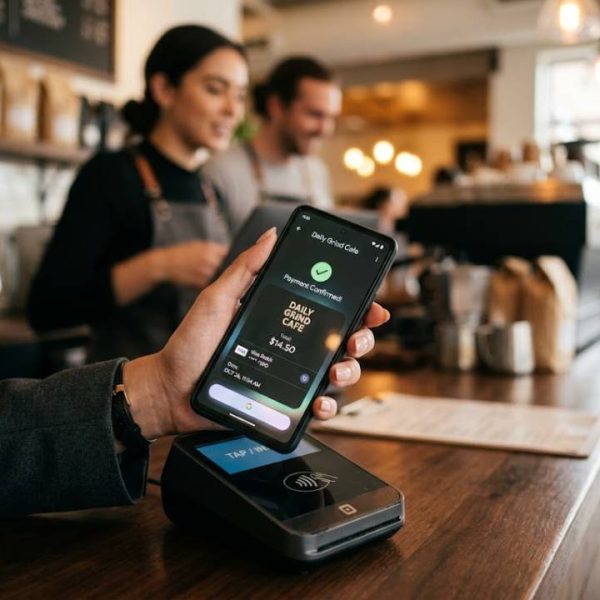
Digital wallets and payment apps have spread quickly across the world. A user in one country can now pay a friend in another with a few taps and many people hold several wallets for different needs. For the companies that build these apps growth often depends on a simple question. Can a new user understand every screen on the first try. When the answer is no the user closes the app and rarely returns. Studies of app behaviour often show that most users decide within the first few minutes whether a service feels trustworthy.
Financial apps face a stricter test than most software. A confusing button in a game costs a few seconds. A confusing button in a payment flow can cost money or trust. Users read confirmation messages and fee notices and security warnings with great attention because they know that mistakes are hard to reverse. Every word in these screens therefore deserves the same care as the code behind it. This is why many product teams now include a language review step before every release and not only at launch.
Localisation starts with the interface but it does not stop there. Help centre articles and onboarding emails and legal notices all shape how safe a service feels. Terms and conditions in particular need precise wording because they describe rights and duties. A rough translation can create doubt about what the provider promises and a regulator or a customer may ask for a clear explanation later. Keeping a dated archive of every approved version of the terms helps answer such questions quickly.
Another challenge is consistent terminology. Words such as balance and transfer and limit and hold have specific meanings inside a payment system. If one screen uses a term and another uses a different word for the same thing users become unsure. Teams that keep a glossary and apply it everywhere avoid this confusion and make support easier because agents and customers speak about the same things in the same way. A shared glossary also helps designers because they can see which labels are already approved before inventing new ones.
Finally there is the matter of tone. A friendly style works well for everyday payments but warnings about fraud need a calm and serious voice. Different languages express politeness and urgency in different ways. A skilled translator adjusts the register so that a warning feels clear and not alarming and so that a welcome message feels warm and not casual to the point of carelessness. Reviewing the tone with native speakers is a small step that prevents awkward messages from reaching thousands of users.
Reaching Russian Speaking Users
Russian is used by large communities in many countries and a wallet provider planning to serve them often looks for an english to russian translation service that understands payments vocabulary. Russian uses grammatical cases and gendered forms which affect every notification that includes a name or an amount or a date. A template written for English needs careful rework to read naturally. Dates and currency symbols also follow local habits so the format should adapt to the language of the user.
Placeholders deserve special attention. A message such as your transfer to a name is complete may need different word endings depending on the name and the sentence. Good localisation teams test these strings in the real interface and not only in a spreadsheet. A professional translation agency will usually ask for screenshots and character limits before starting and that habit prevents many layout problems. Russian text is often longer than English text and buttons that look fine in the design file can break once the real words are inserted.
Reaching Ukrainian Speaking Users
The same logic applies to Ukrainian and many providers ask who is the best ukrainian to english translator for compliance texts and customer messages. Quality here means more than fluent writing. It means knowing the local banking vocabulary and respecting the official spelling of names and places. Transliteration choices should be consistent across the app and the help centre so that search and support work smoothly.
Because the audience may use both Ukrainian and Russian in daily life language choice should be offered clearly and respected. Letting users switch language at any time and keeping a consistent glossary in each version builds trust. Teams that treat each language as a full product and not as an afterthought tend to see fewer support tickets from confused users. They also find it easier to pass audits because the language of each version has been checked against the source.
What Research Says About Digital Finance
Reports from the OECD on digital finance and consumer protection stress that clear information is a core part of safe financial services. Companies that manage contracts across several countries can also learn from this guide on multilingual contract governance which explains how termbases and version control reduce risk.
Analysts at the International Monetary Fund have also written about the growth of digital payments and their effect on inclusion and stability. For a product team the practical point is that access means little if users cannot understand what they are agreeing to. Clear language is therefore part of inclusion and not only a matter of style.
The research points to a simple conclusion for finance brands. When money and personal data are involved, users judge a company by how clearly it speaks to them in their own language. That is why many fintech firms work with business translation services that understand both financial regulation and everyday wording. Clear, checked language turns a risky moment into a reason to stay.
A Practical Checklist For Product Teams
Start by listing every piece of text a user sees from the app store page to the final receipt. Mark which pieces carry legal or financial weight and give them the most careful review. Compare language translation services by asking for a sample of your own strings in context and not a generic demo text.
Ask how the provider manages glossaries and updates and confidentiality. Professional translation services for fintech should use shared termbases and explain how product names and brand terms are protected. Ask also how quickly urgent fixes can be delivered because payment apps change often and outdated text can mislead users. A clear process for sending small updates saves time and keeps every language version aligned with the main product.
Teams that plan for language early spend less time fixing problems after launch. They keep a clean source text and write short sentences and avoid jokes that do not travel. Anyone building a financial product for several markets would do well to include language review in every release and to treat translators as part of the product team. A short call before each release to review changes can prevent most of the issues that appear after launch.