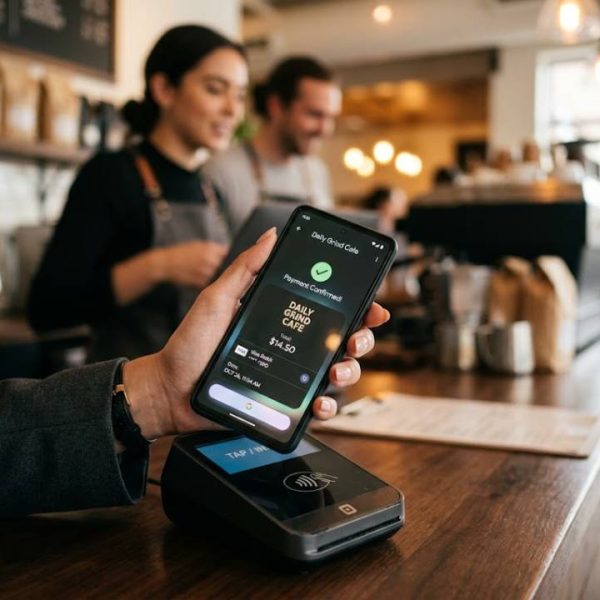
Coffee shops, grocery stores, and online checkouts look different than they did five years ago. A quick tap of a phone has replaced fumbling for cards or cash, and behind that tap sits an entire digital finance system most shoppers never think about.
The Rise of Digital Wallets in Daily Life
Digital wallets store payment information securely on a phone or smartwatch, letting people pay with a tap instead of a swipe. Adoption has climbed fastest among younger consumers, but banks report growing use across every age group. The appeal is simple: speed, fewer physical cards to lose, and tighter fraud protection through tokenized transactions.
Retailers have noticed too. Checkout lines move faster, and businesses that accept wallet payments often see fewer abandoned transactions at the register. Loyalty programs are increasingly built directly into wallet apps, so a customer can pay, collect points, and redeem a discount in one motion instead of juggling separate cards and codes.
For a deeper look at how these systems actually work, Investopedia's breakdown of digital wallets is a useful primer on the mechanics behind the tap, from tokenization to near-field communication chips.
Why Global Businesses Lean on Certified Translation
As digital wallets and cross-border payment apps expand into new markets, the paperwork behind them multiplies. Compliance filings, user agreements, and financial disclosures all need to read correctly in the local language, and regulators rarely accept a rough approximation.
This is where certified document translation services matter. A fintech company launching in a new country cannot simply run its terms of service through free software and call it done. Banks, auditors, and regulators expect certified translation services that carry a signed statement of accuracy, especially for anything tied to consumer finance or digital identity verification.
Where This Shows Up Most
Onboarding documents, KYC forms, and privacy policies are the most common documents that need certified handling before a digital wallet provider can operate legally in a new territory. Missing a single clause in translation can delay a product launch by months while lawyers sort out the confusion.
Cryptocurrency and the Push Toward Decentralized Finance
Cryptocurrency and DeFi platforms have added another layer to the digital wallet story. Instead of routing a payment through a single bank, some wallets now let users hold and move crypto assets directly. Regulators across Europe and North America have been racing to catch up, publishing new frameworks almost every year.
The European Central Bank's ongoing digital euro project is one example of how seriously central banks are taking this shift, treating digital payment infrastructure as a matter of monetary policy rather than a niche tech trend. Similar pilot projects are underway in the United Kingdom, Sweden, and several Asian markets.
What stands out is how quickly the conversation moved from "is this safe" to "how do we regulate this properly." That shift alone tells you how mainstream digital assets have become in ordinary financial planning.
Germany's Growing Weight in Digital Finance
Germany has become one of the more closely watched markets for digital payment expansion in Europe, thanks to strict data protection rules and a famously cautious consumer base. Companies entering the German market often need certified German translation services to make sure privacy notices, terms of use, and dispute resolution procedures meet local expectations word for word.
Digital wallets succeeded by removing the last few seconds of friction from a payment rather than by offering anything genuinely new. Marketing operates on the same margins, where a phrase that reads awkwardly costs a conversion nobody ever counts. Brands buying marketing translation services are usually paying to remove exactly that friction in a market they cannot read themselves.
Digital wallets reduce the small friction of paying, and the effect on spending is measurable. Decisions made quickly are made with less deliberation. That relationship between reduced friction and impaired judgement is also what makes brain fog financially expensive as well as unpleasant.
A minor mistranslation in a refund policy or data consent form can trigger regulatory pushback, so many fintech firms budget for professional German translation services from the earliest planning stages rather than treating it as an afterthought before launch. German consumer protection agencies have a reputation for reading the fine print closely, and companies that skip this step often end up rewriting documents after the fact anyway.
What This Means for Everyday Users
None of this complexity is visible when someone taps their phone at a coffee counter. That simplicity is the point. But the smooth experience on the surface depends on a lot of careful, often invisible work: secure engineering, regulatory compliance, and accurate language across every market a wallet provider enters.
The bottom line is that digital wallets succeed because the boring parts get done right. Encryption, compliance, and translation rarely make headlines, but they are exactly why a payment that takes two seconds at checkout can be trusted anywhere in the world.
As more countries roll out their own digital payment standards, expect wallets to keep adding features quietly in the background while the front-end experience stays just as fast and simple as it is today. Shoppers will likely never notice the shift, and that is exactly how the people building these systems want it.
A Quick Look Ahead
Analysts expect digital wallet transaction volume to keep climbing for at least another decade, driven largely by mobile-first consumers in emerging markets who skipped plastic cards entirely and went straight to phone-based payments. That leapfrog effect mirrors what happened with mobile phones replacing landlines in many regions.
Banks and fintech startups that plan for this early, both technically and linguistically, tend to scale into new countries with far fewer headaches. Those that treat translation and compliance as an afterthought usually pay for it later in delayed launches and frustrated regulators.